
How to Prepare for Limb Lengthening Surgery
Last updated: 10-12-2026
To prepare for limb lengthening surgery, start 4–6 weeks ahead. Build leg, core and upper-body strength for crutch use, eat a diet rich in protein and calcium, and stop smoking, vaping and heavy drinking, which slow bone healing. Review your medications and supplements with Dr. Shahab Mahboubian, since blood thinners may need adjusting. Plan to stay in the Los Angeles area for 6–12 weeks after surgery, and arrange a companion and help at home for the first 1–2 weeks.
Limb Lengthening Pre-Surgery Timeline
| When | What to do |
|---|---|
| At your consultation | Review your medications and supplements. Find out whether you need lab work or medical clearance. |
| 6 or more weeks before | Start strength and flexibility training. Shift to a protein- and calcium-rich diet. |
| Several weeks before | Stop smoking, vaping and heavy drinking. Book travel and a place to stay for 6–12 weeks. |
| 2–4 weeks before | Line up a companion and help at home. Get crutches or a walker. Set up your space to be step-free and easy to move around. |
| Week of surgery | Pack loose clothing and slip-on shoes. Follow Dr. Mahboubian’s final instructions on medications and eating before surgery. |
Schedule a Consultation or call (818) 322-0126
What Exercises Should You Do Before Limb Lengthening Surgery?
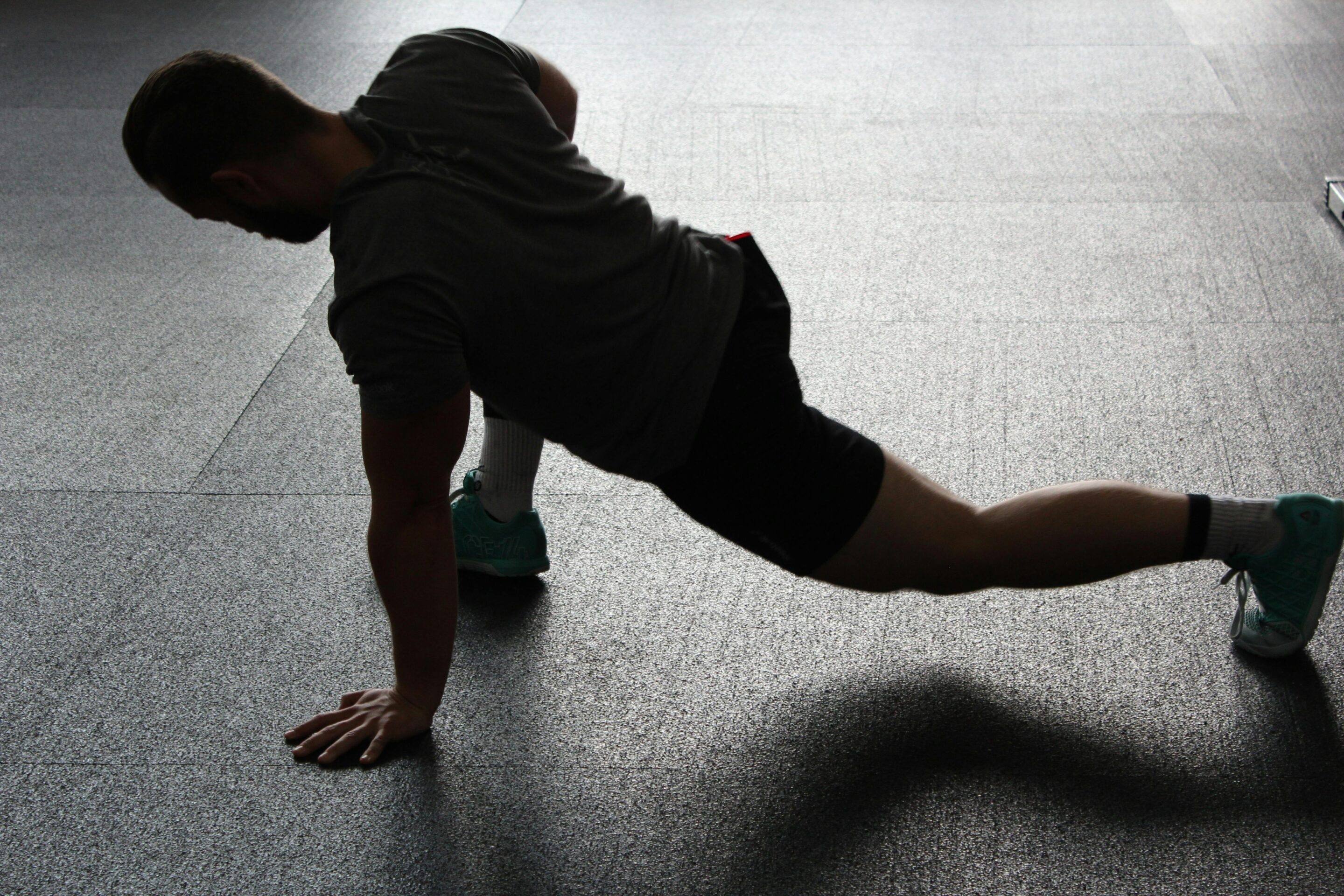
Start strength and flexibility training at least 4–6 weeks before surgery. A strong lower body and core make it easier to use crutches or a walker and to keep up with physical therapy during lengthening.
Focus on:
- Quadriceps and hamstrings: they work hardest during lengthening and physical therapy
- Glutes and hip mobility: for stable walking with crutches
- Calf and ankle flexibility: muscles tighten as the bone lengthens
- Core stability: for balance and safe transfers
- Upper body: your arms and shoulders carry your weight on crutches
You can keep working out normally if it’s safe and pain-free. Avoid high-impact activity unless Dr. Mahboubian approves it.
What to Eat Before Limb Lengthening Surgery
Change your diet several weeks before surgery. Your body needs protein, calcium and vitamins to build new bone and heal soft tissue.
Eat more:
- Fruits and vegetables
- Whole grains
- Lean proteins such as chicken, fish, tofu and lentils
- Calcium-rich foods
- Healthy fats
Limit: processed foods, excess sugar, fast food and alcohol.
Supplements: some patients benefit from calcium, vitamin D or a multivitamin. Dr. Mahboubian recommends these based on your medical exam, so ask before starting any.
Medical Preparation: Medications, Smoking and Pre-Op Tests
- Medications: blood thinners and certain supplements may need to be adjusted or stopped. Dr. Mahboubian reviews everything you take at your consultation. Don’t stop a prescribed medication on your own.
- Smoking, vaping and alcohol: stop several weeks before surgery. Nicotine and heavy drinking slow bone healing, and limb lengthening depends on new bone forming in the gap.
- Lab work and clearance: some patients need blood tests or clearance from another doctor before final approval. You’ll know at your consultation.
- Day-of instructions: Dr. Mahboubian’s team gives you final instructions on eating, drinking and medications before surgery.


Mental Preparation: What to Expect
Limb lengthening takes months, and knowing what’s coming makes it easier. Be prepared for:
- Pain in the first few weeks after surgery, managed with medication. It improves steadily.
- A manageable lengthening phase. With an internal nail, most patients find lengthening itself much easier than they expected, though stretching and physical therapy can be uncomfortable.
- Limited mobility for a while. You’ll rely on crutches or a walker.
- A long timeline. Lengthening, healing and therapy take months, not weeks.
Journaling, meditation and talking with former patients help many people stay steady. Ask our team about connecting with someone who has been through it.
Plan Your Stay and Arrange Help
- Stay 6–12 weeks in the Los Angeles area for follow-up X-rays, monitoring of the lengthening and physical therapy. See our Travel and Accommodations page.
- Bring a companion for at least the first few days after surgery.
- Arrange help with cooking, cleaning and transportation for at least the first 1–2 weeks.
- Get mobility aids: crutches or a walker at minimum; some patients also use a wheelchair early on.
- Set up your space: choose a place with few or no stairs and room to move with a walker.
- Pack: loose, comfortable pants and shorts and slip-on shoes.
Next Steps
Patients who come into surgery strong, well-nourished and well-supported tend to have a smoother recovery and feel more in control of the process.
- See what happens on the day of surgery
- Learn what recovery and physical therapy involve
- Review the benefits and risks
- Not booked yet? Start with a consultation
Guided by Dr. Shahab Mahboubian, D.O., MPH
Dr. Mahboubian trained in limb lengthening and deformity correction at Hospital for Special Surgery in New York and was the first orthopedic surgeon on the West Coast to perform cosmetic limb lengthening with the Precice and Stryde nail systems. He gives every patient a personalized preparation plan at their consultation.
Limb Lengthening Pre Surgery FAQs
How early should I begin preparing before surgery?
Start at least 4–6 weeks before surgery. Starting earlier is better, because strength, nutrition and habits like quitting smoking take time to make a difference.
Do I need blood tests or medical clearance before surgery?
Some patients do. Dr. Mahboubian decides at your consultation whether you need lab work or clearance from another doctor before final approval for surgery.
Will I need to stop any medications before surgery?
Possibly. Blood thinners and certain supplements may need to be adjusted or stopped. Dr. Mahboubian reviews everything you take at your consultation. Do not stop a prescribed medication without his instructions.
Do I need to quit smoking or drinking before surgery?
Yes. Smoking, vaping and heavy drinking slow bone healing, which matters in limb lengthening because new bone has to form in the gap. Stop several weeks before surgery and stay off them through recovery.
What exercises should I do before limb lengthening surgery?
Focus on quadriceps, hamstrings, glutes and core, plus calf and ankle flexibility and upper-body strength for using crutches. You can keep working out if it is safe and pain-free, but avoid high-impact activity unless Dr. Mahboubian approves it.
What should I eat before limb lengthening surgery?
Eat fruits and vegetables, whole grains, lean proteins such as chicken, fish, tofu and lentils, calcium-rich foods and healthy fats. Limit processed foods, excess sugar, fast food and alcohol.
Should I take supplements before surgery?
Some patients benefit from calcium, vitamin D or a multivitamin. Dr. Mahboubian recommends supplements based on your medical exam, so ask before starting any.
How long do I need to stay in Los Angeles after surgery?
Plan to stay 6–12 weeks for follow-up X-rays, monitoring of the lengthening and physical therapy.
Can I travel alone for limb lengthening surgery?
A companion is strongly recommended for at least the first few days after surgery.
Should I arrange help at home during early recovery?
Yes. Plan for help with cooking, cleaning and transportation for at least the first 1–2 weeks.
What mobility aids will I need after surgery?
You will need crutches or a walker at minimum. Some patients also use a wheelchair early in recovery.
Will I be able to walk right after surgery?
You will walk with crutches or a walker. How much weight you can put on your legs depends on your implant and your case, and it is usually limited at first.
When does physical therapy start after limb lengthening?
Physical therapy usually begins within a few days of surgery.
What clothing should I bring for recovery?
Bring loose, comfortable pants and shorts that are easy to put on, and slip-on shoes, since bending down to tie laces is hard early in recovery.
How do I prepare mentally for limb lengthening?
Set realistic expectations about pain, mobility and time. Many patients find journaling, meditation and talking with former patients helpful.