
Post Surgery
Recovering from height lengthening surgery is a major part of your transformation. Many patients consider the recovery phase when deciding whether to undergo the procedure. With proper guidance, consistency, and a positive mindset, this process becomes manageable, and the results provide long-term satisfaction and confidence. Our team supports you through every step to ensure you heal safely and steadily.
Recovery with Precice™
The Precice system allows controlled lengthening at home using a small external remote. Patients typically lengthen about 1 millimeter per day. Your total lengthening period will depend on your goals and the amount of height planned. This process usually takes several weeks to a few months.
To support bone formation during lengthening, your surgeon will recommend supplements such as calcium and vitamin D. These nutrients assist your body in creating strong new bone in the growing gap. Following your dietary recommendations and supplement plan is essential.
Regular follow-up appointments are a key part of your recovery. Your surgeon may adjust your lengthening speed based on your progress. These visits ensure the bone is forming correctly and that your body is responding well to treatment.
Physical Therapy
Physical therapy is one of the most important components of post-surgical recovery. As your bones lengthen, the surrounding muscles, tendons, and ligaments must stretch and adapt to the new length. Without proper guidance, stiffness and reduced mobility can occur.
A customized physical therapy plan will help you maintain flexibility, strengthen your legs, and support normal range of motion. Your therapist will teach you targeted exercises that prevent knee stiffness and joint contractures. The initial rehabilitation phase usually lasts 1 to 3 months, although many patients continue therapy for several months to achieve full strength and mobility.
Your therapist will also provide exercises for home practice. Performing these movements two to three times each day significantly improves your comfort, recovery speed, and long-term results.
Dedication to physical therapy is vital. Consistent stretching and strengthening help you regain independence and ensure your body adjusts safely to the new limb length.
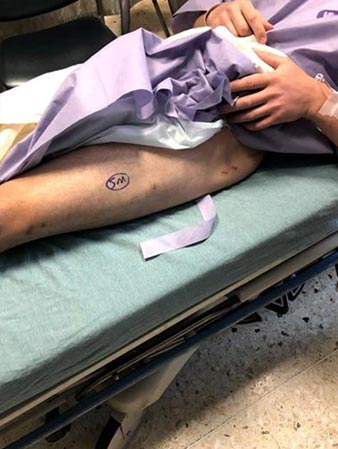
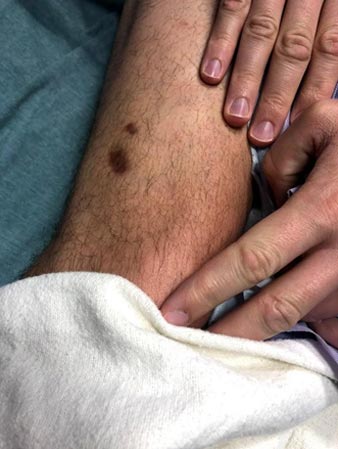
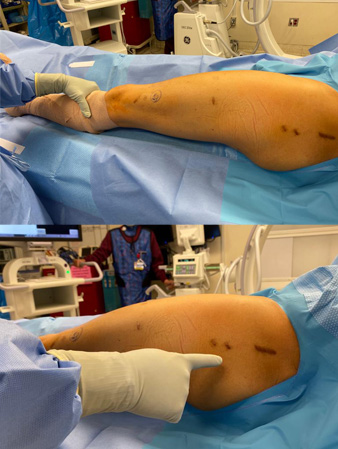
It is of utmost importance that (you) follow through with all physical therapy guidelines and procedures, as the therapy is what will help establish strength and enable you to become independent again with your new limb growth. Your physical therapist will give you stretches or exercises to complete at home as well as in formal therapy settings. Doing these exercises two to three times per day will allow you to heal quickly and efficiently.
Attending your PT sessions and doing all prescribed exercises at home will help you have the best recovery possible. Expect to do physical therapy for many months after your initial surgery. Patience and dedication are vital to a successful surgery!
FAQ: Post-Surgery
How painful is recovery after height lengthening surgery?
Most patients experience discomfort during the first week and during the lengthening phase. Pain is manageable with prescribed medication, proper stretching, and consistent physical therapy.
How long will I need to use crutches or a walker?
Most patients use assistive devices for several weeks. The exact timeline varies based on bone healing, strength, and the type of surgery performed. Your surgeon will guide you as you progress.
When can I return to work or school?
Many patients return to remote work or light desk work within 2 to 3 weeks. Activities that require standing, walking, or mobility may take longer. Your surgeon will provide a personalized recommendation.
When can I start walking normally again?
Full independent walking typically returns after the bone has healed enough to support your weight. This usually occurs a few months after the surgery. Physical therapy plays an important role in regaining normal gait patterns.
Is physical therapy required throughout the entire recovery?
Yes. Consistent physical therapy helps prevent complications and ensures proper mobility. Most patients continue PT for several months, both in a clinic and at home.
How often should I attend follow-up appointments after surgery?
Appointments are usually scheduled every 1–2 weeks during the lengthening phase, then less frequently as healing progresses, to monitor bone formation and overall recovery.
What supplements should I take during recovery?
Calcium and vitamin D are commonly recommended to support bone growth. Your surgeon may also suggest additional supplements based on your individual needs and lab results.
Can I perform daily activities during the lengthening phase?
Yes, but activities should be adapted to avoid strain. Physical therapy guidance ensures you maintain independence safely while protecting the healing bones.
How do I prevent stiffness and joint contractures?
Consistent stretching, targeted exercises from your physical therapist, and following your home exercise routine help prevent stiffness and maintain joint flexibility.
Will I experience swelling during recovery?
Mild swelling is normal, especially in the legs and feet. Elevation, ice packs, and compression (if advised) can help manage swelling.
How long does it take to achieve full bone consolidation?
Complete bone healing varies by patient but usually takes several months after the lengthening phase. X-rays are used to confirm that bone consolidation is complete before full weight-bearing is allowed.
Can I travel during the recovery period?
Short trips are possible with medical clearance and proper planning. Long-distance travel should be discussed with your surgeon to ensure safe mobility and access to follow-up care.
Are there dietary recommendations to support recovery?
Yes. A balanced diet rich in protein, calcium, vitamin D, and other essential nutrients supports bone formation and overall healing.
When can I resume exercise or sports?
Light exercises may begin once your surgeon confirms adequate bone healing, but high-impact sports are usually restricted until full bone consolidation is verified, often several months post-surgery.
How do I know if my recovery is progressing normally?
Regular check-ins, X-rays, physical therapy assessments, and monitoring pain, swelling, and mobility help your surgeon track progress. Any unusual pain, redness, or changes should be reported immediately.